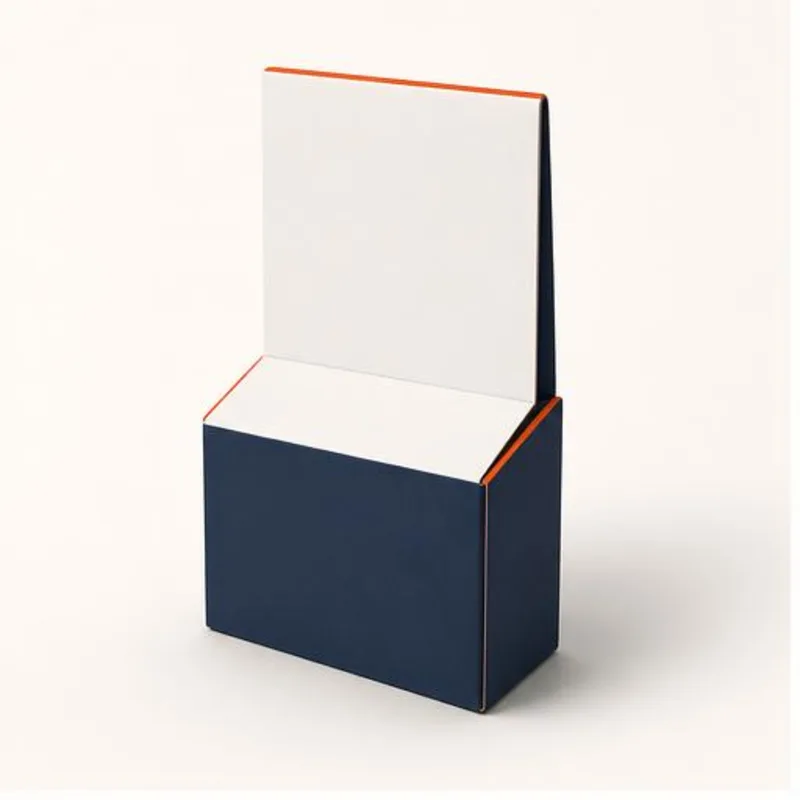
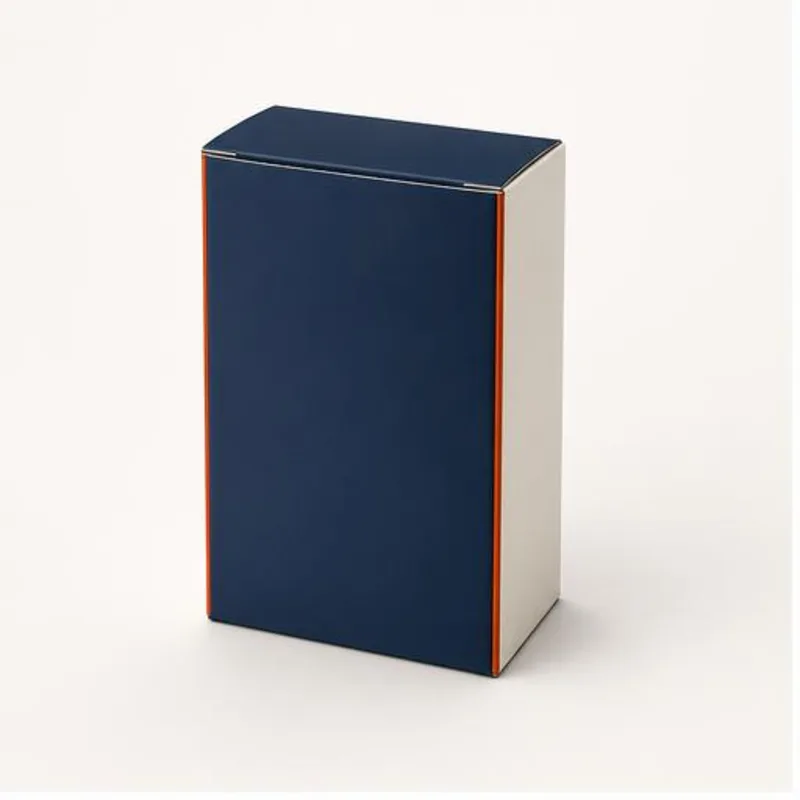
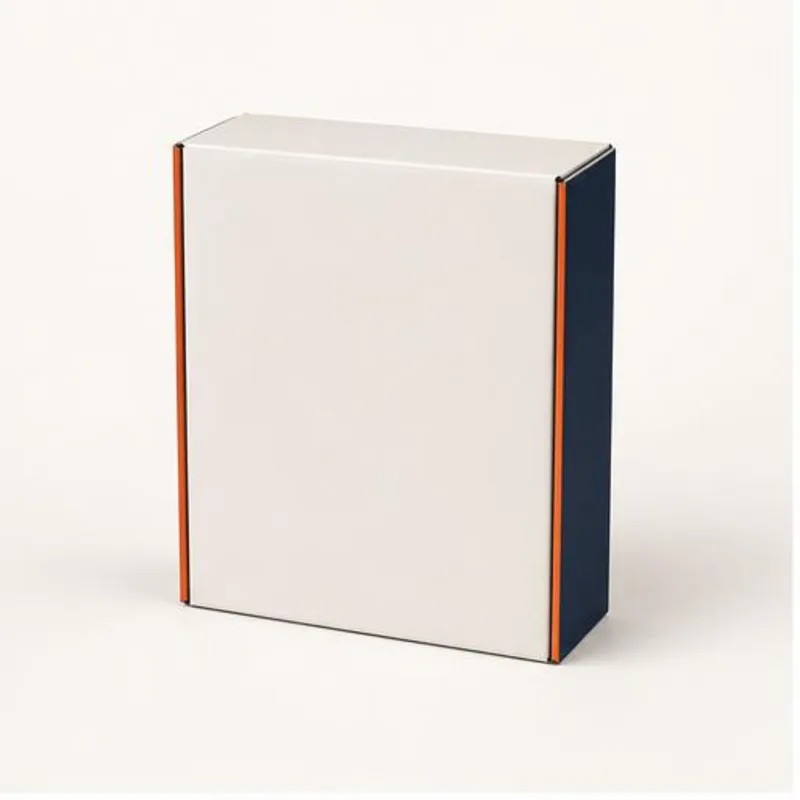
Lock Cap 1-2-3 Bottom Boxes
A lock-cap carton on a 1-2-3 bottom, pairing a secure top cap with fast base assembly.
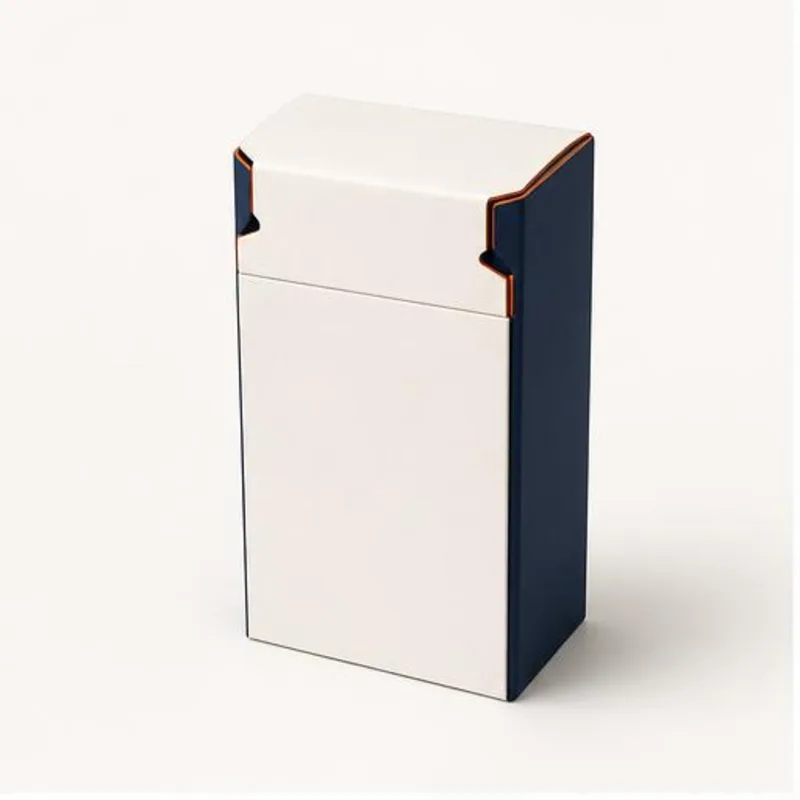
Structural & Engineering Details
How This Structure Works
This carton pairs a secure lock-cap top with a 1-2-3 locking bottom, combining a firm closure with a fast, glue-free base. The lock-cap top engages with tabs so it stays closed under handling, while the 1-2-3 base squares by folding the panels in sequence. The geometry suits products that need a dependable top yet a quick base setup, since neither closure relies on adhesive at pack-out. Staff lock the base, load the box, and engage the cap, presenting a sealed-feeling carton that still reopens. It can suit retail goods where a firmer top closure adds confidence without slowing assembly.
Good Fit For
- Retail goods needing a firm top
- Fast glue-free base assembly
- Products that must reopen cleanly
Key Advantages
- Lock-cap top holds closed under handling
- Locking base squares without glue
- Both closures reopen without tearing
Assembly & Construction
The bottom flaps fold in the 1-2-3 sequence to lock the base square without adhesive, while the top forms a lock-cap whose tabs engage to hold the lid firmly closed. Assemblers lock the base, load from the top, and engage the cap tabs, so the carton sets up quickly with a dependable top and a self-squaring base, both of which reopen for restocking or inspection without tearing the board.
Materials & Board Options
A firm, printable paperboard suits lock-cap cartons where the tabs must hold a crisp engagement and the base folds clean. Heavier fills can point to a thicker caliper. Final board, coating, and thickness typically depend on the contents weight, carton size, print, filling method, and handling, so a loaded sample usually confirms the cap and base hold under the intended use.
Pre-Production Planning Checklist
- Confirm the lock-cap tabs hold the top closed under handling
- Check the 1-2-3 base squares up cleanly under fill
- Verify both closures reopen without tearing the board