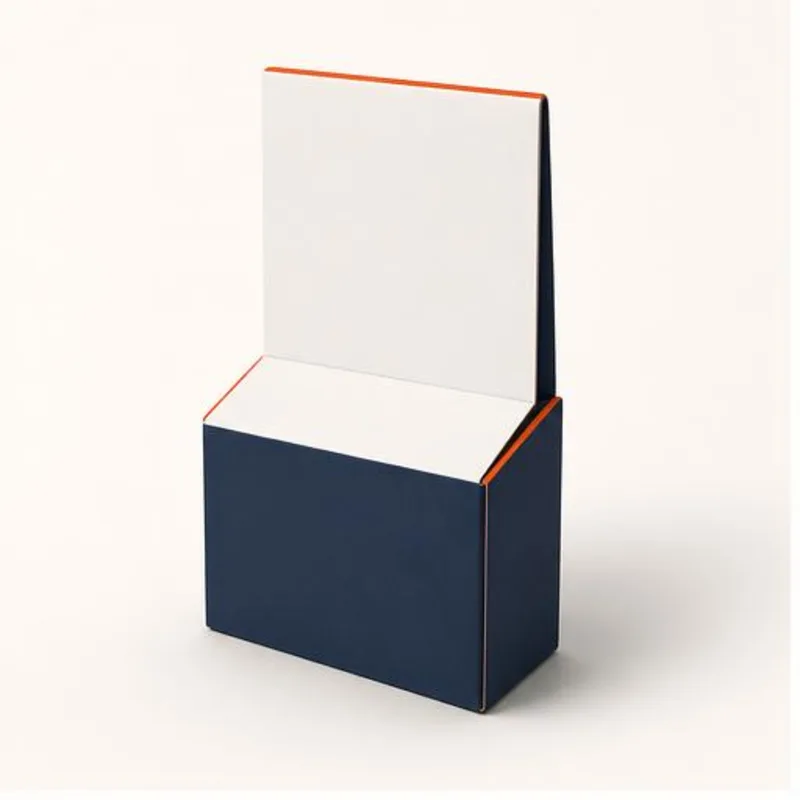
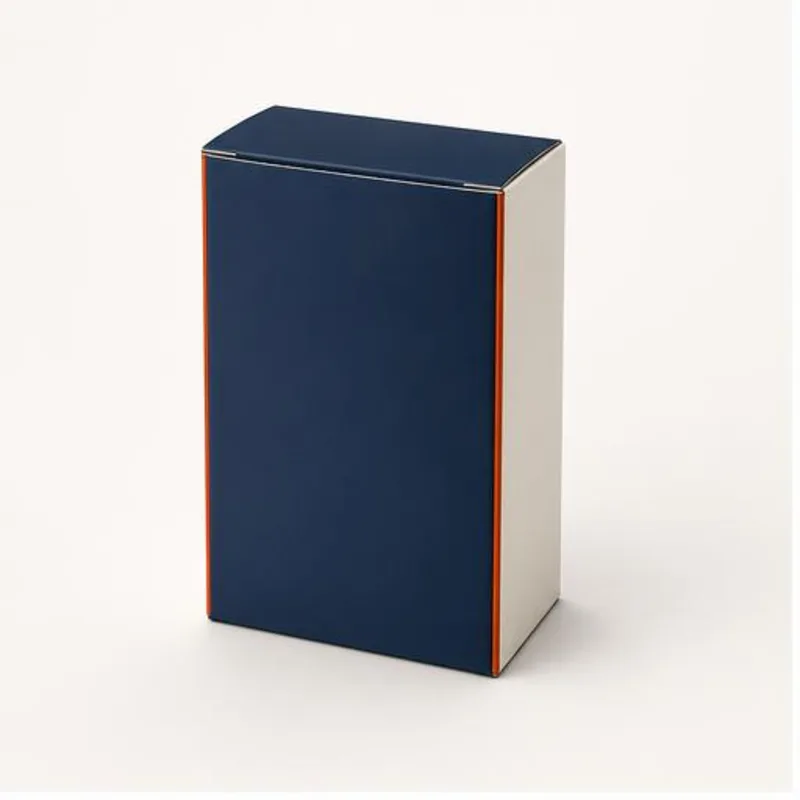
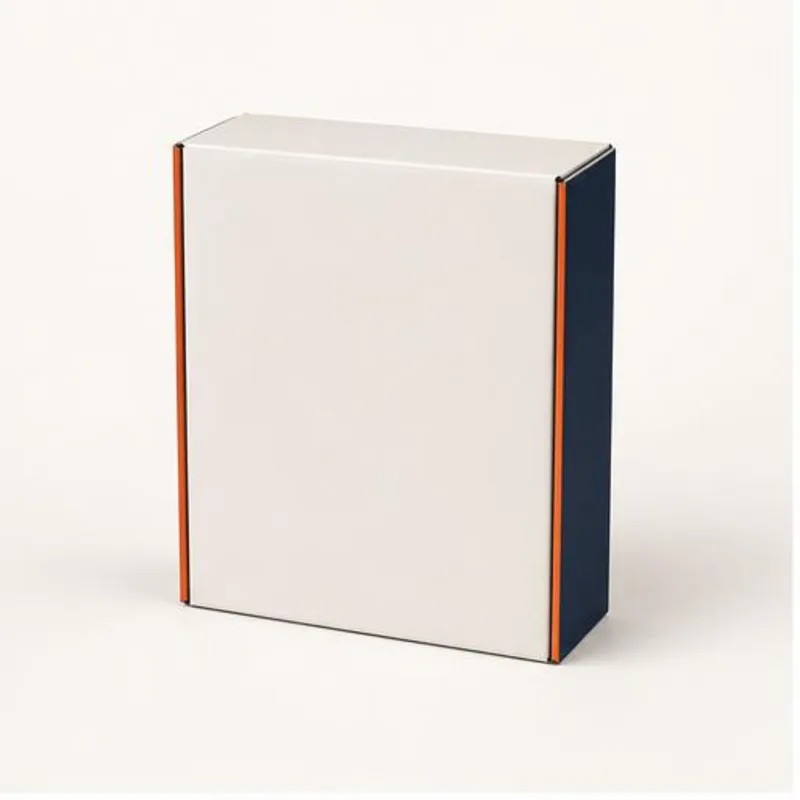
Reverse Tuck Boxes
A reverse-tuck-end carton with opposite-edge closures for economical, versatile retail packaging.
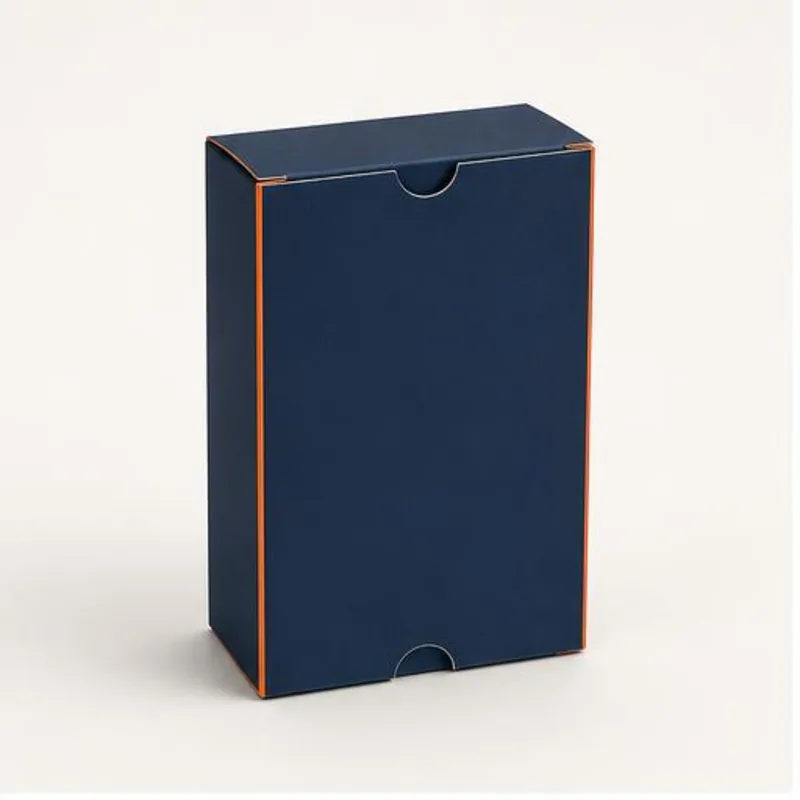
Structural & Engineering Details
How This Structure Works
A reverse-tuck carton closes with tuck flaps that fold in from opposite edges, top and bottom, giving an economical, versatile retail box. Because the two tucks come from opposite panels, the blank nests efficiently, which can help with material use. The geometry opens and closes simply from either end, presenting a clean printed body on the shelf. It can suit a wide range of small retail goods where cost, versatility, and easy reopening matter. Folding flat before use, it squares into shape with the tucks closing each end, so it sets up quickly by hand and reopens without tearing for restocking or customer access.
Good Fit For
- Everyday small retail goods
- Cost-sensitive carton runs
- Products that open from either end
Key Advantages
- Opposite-edge tucks nest for efficient blanks
- Opens and closes from either end
- Simple, economical hand assembly
Assembly & Construction
The blank glues at a side seam and folds flat, then squares into a body with tuck flaps that fold in from opposite edges at the top and bottom, each with dust flaps that steady the closure. Assemblers pop the body square, close one tuck, load the box, and close the other, so the carton sets up by hand and reopens from either end without tearing, keeping restocking and access simple.
Materials & Board Options
A firm, printable paperboard suits reverse-tuck cartons where crisp tuck creases and clean print matter, with a heavier caliper for weightier contents. Final board, coating, and thickness typically depend on the contents weight, carton size, print coverage, filling method, and handling, so a loaded sample usually confirms the tucks hold and the body stays square through use.
Pre-Production Planning Checklist
- Confirm the opposite-end tucks close without buckling
- Check the side seam glue holds the body square
- Verify tuck depth so the carton reopens cleanly