

Custom Tray & Sleeve Boxes for a Premium Reveal
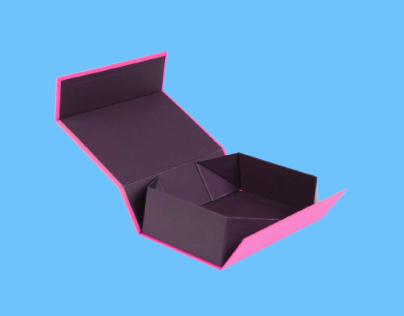
Two Pieces, One Elevated Unboxing
A tray-and-sleeve box separates the container from the cover. The tray holds and displays the product; the sleeve wraps around it and slides off like a matchbox drawer. That motion feels considered and premium, which is why the format is common for gift sets, tech accessories, confections, and subscription reveals.
The two pieces also let you split the design work: the sleeve carries bold exterior branding, while the tray interior can be printed to frame the product. Because both parts are flat blanks, they ship and store efficiently before assembly.
Tray & Sleeve Specifications
- Construction
- Fold-up tray (corner-glued) plus wrap sleeve
- Material
- Cardstock or E-flute corrugated
- Inserts
- Fitted platforms and dividers optional
- Printing
- Offset, digital, or litho-lam; PMS matching
- Finishing
- Matte, gloss, soft-touch, spot UV, foil
- Pilot quantity
- From 100 units
Getting the Slide Right
The magic of a tray-and-sleeve is the fit: too tight and it binds, too loose and it feels cheap. We tune the tolerance between tray and sleeve to the material thickness so the slide is smooth but secure. Adding a fitted insert inside the tray keeps the product centered and makes the reveal look intentional.
Engineering the Reveal
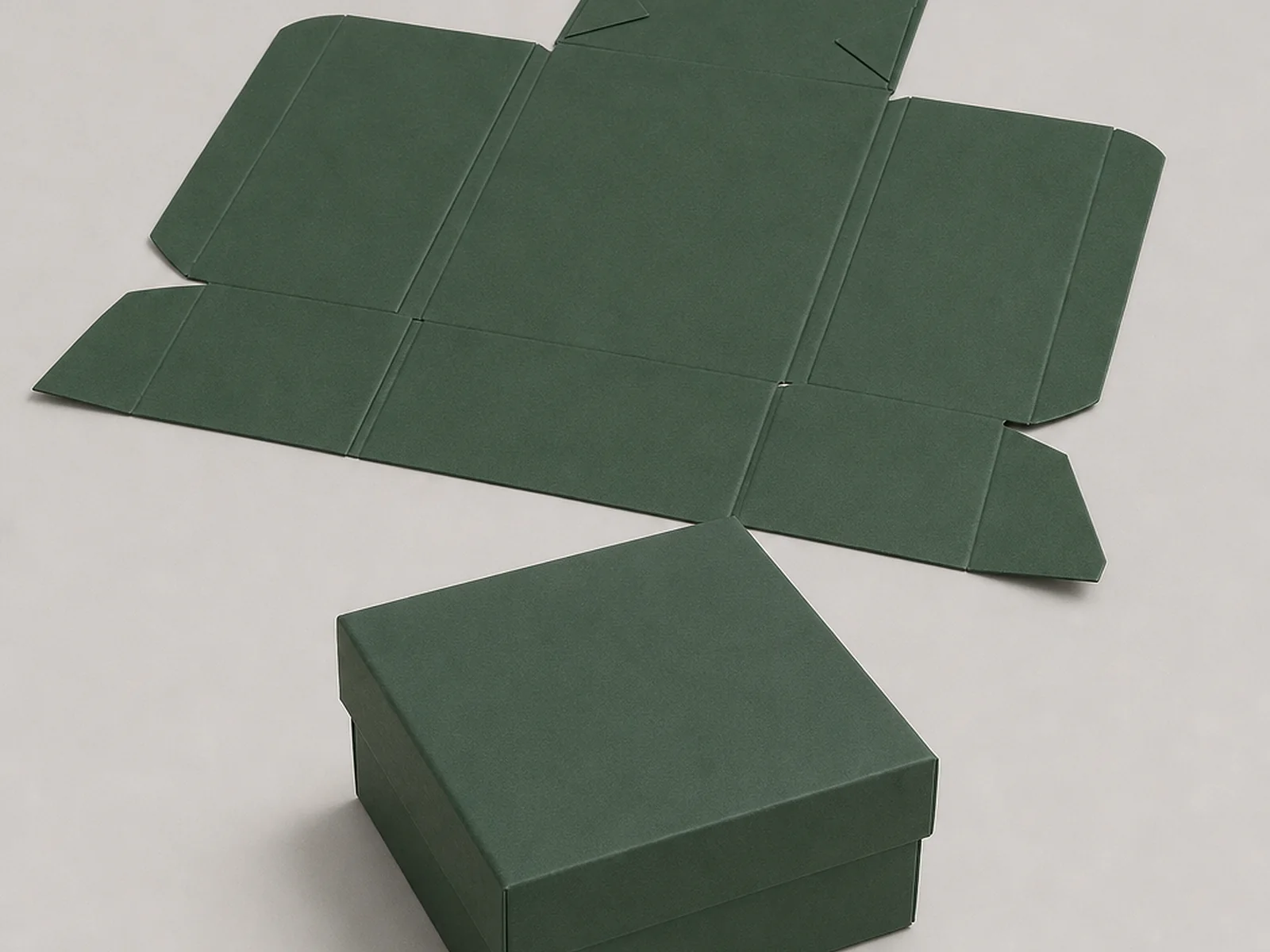
A tray-and-sleeve box is as much about motion as material. The tray presents the product; the sleeve carries the exterior branding and creates the drawer-like slide. We tune the tolerance between the two pieces to the board thickness so the slide is smooth but secure — neither binding nor falling open. Both pieces ship flat and are assembled at pack-out. Add a fitted insert in the tray and the product stays centered, turning the open into a deliberate, staged reveal that suits gift sets and premium accessories.
Dialing In the Slide Fit
The signature of a tray-and-sleeve box is the slide: the sleeve should glide over the tray with just enough resistance to feel deliberate, then hold the tray in place once seated. Too loose and the tray slips out in transit; too tight and the reveal feels like a struggle. We calculate the clearance between the tray walls and the sleeve to the caliper of your chosen board and the finish on its surface — a soft-touch laminate, for instance, adds a little friction that we account for in the die.
The two pieces also let you split materials and print for effect. A common approach is a plain or single-color tray paired with a fully printed sleeve, which keeps cost focused on the visible surface while the tray does the structural work. The tray floor is the natural home for a fitted insert, so the product is presented at the moment the sleeve is drawn back. Tell us the product dimensions and the depth of any insert and we will engineer the tray height and sleeve length so everything sits flush at the reveal.