

Packaging Finishes Guide
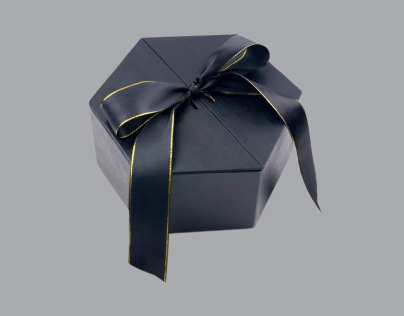
Finishing Is How a Box Feels
Finishing is the layer between a printed box and a premium one. It's what a customer feels before they read a word — the velvety drag of soft-touch, the sharp contrast of spot UV, the glint of foil. Used well, finishing lifts perceived value; overused, it clutters the design and reads as trying too hard. This guide covers the main techniques and when each earns its place.
Finishing Techniques at a Glance
| Finish | Effect | Best for | |
|---|---|---|---|
| Matte lamination | Flat, non-glare surface | Clean, modern, premium | |
| Gloss lamination | Shiny, vivid color | Bold, energetic, food/retail | |
| Soft-touch | Velvety, tactile drag | Luxury, beauty, tech | |
| Spot UV | Glossy accent on matte | Highlighting a logo or pattern | |
| Foil stamping | Metallic shine | Logos, luxury accents | |
| Embossing | Raised relief | Tactile logos and marks |
Coatings vs. Special Effects
There are two families. Coatings and laminations — matte, gloss, soft-touch — cover the whole surface and set the base feel. Special effects — spot UV, foil, embossing, debossing — apply to specific areas for contrast. The most effective designs choose one coating as a foundation, then add one or two effects on the logo or a key element. A matte base with a spot-UV or foil logo is a reliable, premium combination.
Matching Finish to Material
Not every finish works on every material. Laminations and soft-touch need a smooth, coated surface, so they suit cardstock and litho-laminated corrugated far better than raw kraft or uncoated flexo-printed liner. Foil and embossing work across most smooth stocks. On kraft, subtle effects like foil read beautifully against the natural surface, while heavy lamination fights kraft's tactile appeal. We'll recommend finishes that suit your chosen material.
Finishing Without Overdoing It
The most common finishing mistake is stacking effects until the design competes with itself. A reliable formula is one base coating plus one or two accents: a matte or soft-touch base sets a premium feel, and a foil or spot-UV logo gives a single point of contrast. Reserve embossing for a mark you want people to touch. Consider durability too — high-gloss shows scuffs on dark colors, while matte and soft-touch hide handling better. And remember that finishing adds production steps and cost, so apply it where a customer actually sees and feels the box: the front face and the interior reveal.
How Finishes Interact With Material
A finish rarely behaves the same on every stock, so the pairing matters as much as the effect. Foil stamping and embossing read best on smooth, coated cardstock or a rigid wrap where the tooling can press cleanly; on textured kraft the same emboss looks softer and foil can lose crispness. Spot UV needs a matte or soft-touch base to create the contrast that makes it pop — apply it over glossy film and the effect nearly disappears. Soft-touch lamination adds a velvety hand but slightly deepens dark colors, so proof critical brand shades on the actual film. Because each accent adds a production pass, we advise choosing the material first, then layering only the finishes that stay legible and durable on it, which keeps the box looking intentional rather than busy.